
Storm Damage Restoration in Shelbyville, IN
Overview of Storm Damage Restoration Services in Shelbyville, IN
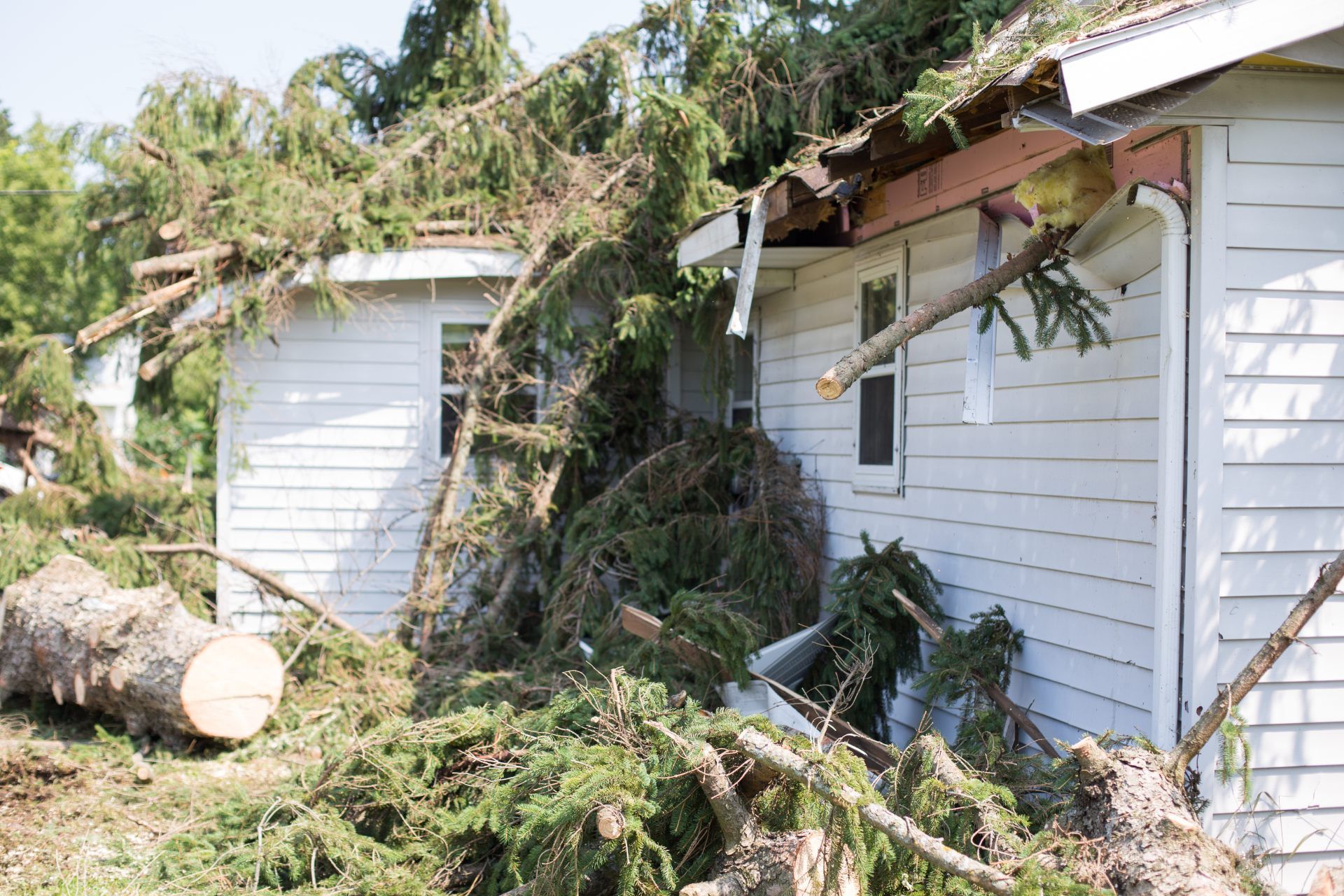
Storm damage restoration in Shelbyville, IN involves the assessment, repair, and reconstruction of roofing systems that have been affected by severe weather events such as high winds, hailstorms, heavy rain, and flying debris impact. B & F Roofing provides storm damage restoration services focused on returning roofing systems to a stable and functional condition after weather-related disruption.
Storm events in Shelbyville, IN often create both visible and hidden roof damage. While some issues are immediately noticeable, such as missing shingles or punctures, other forms of damage may develop internally within the roofing system over time. Storm damage restoration addresses both surface-level and structural concerns to ensure the roofing system is properly stabilized.
The restoration process is not limited to simple repairs. It may involve partial reconstruction of roofing components depending on the severity of the storm impact and the condition of the underlying structure.
Types of Storm Damage Found in Roofing Systems
Storm damage in Shelbyville, IN affects roofing systems in multiple ways depending on wind intensity, precipitation levels, and debris exposure. Each type of damage requires specific evaluation and restoration methods.
Wind-Related Roof Damage
High winds can create significant stress on roofing materials and structural connections.
Shingle displacement and lifting
Wind uplift can loosen shingles, breaking their seal and exposing underlayment layers.
Edge and ridge separation
Roof edges and ridges are often the first areas affected due to direct wind exposure.
Hail Impact Damage
Hailstorms can cause both visible and hidden structural damage to roofing surfaces.
Surface granule loss
Impact from hail can strip protective granules from shingles, reducing weather resistance.
Bruising and cracking beneath surface layers
Even when not immediately visible, hail can weaken the internal structure of roofing materials.
Water Intrusion and Moisture Damage
Heavy rain accompanying storms can lead to water penetration if roofing systems are compromised.
Leak development at penetration points
Areas around vents, chimneys, and skylights are vulnerable during storm exposure.
Insulation and attic moisture buildup
Water entering the roof system can affect insulation performance and interior air quality.
Debris Impact Damage
Flying debris during storms can physically damage roofing structures.
Punctures in roofing membranes
Sharp or heavy debris can create direct openings in roofing surfaces.
Structural denting and surface deformation
Impact can distort roofing materials, affecting alignment and drainage.
Storm Damage Inspection and Evaluation Process
Storm damage restoration in Shelbyville, IN begins with a detailed inspection process to determine the full extent of damage across the roofing system. This evaluation ensures that both visible and concealed issues are identified before restoration work begins.
Exterior Roof Assessment
The initial phase focuses on visible roof surface conditions.
Surface damage identification
Roofing materials are examined for missing sections, cracks, and displacement.
Flashing and edge condition review
Critical sealing areas are inspected for wind or impact-related separation.
Interior Structural Inspection
Internal roof components are evaluated for secondary damage.
Attic moisture detection
Signs of water infiltration are identified within attic spaces and insulation layers.
Structural framing review
Roof supports are checked for stress or movement caused by storm impact.
Damage Documentation Process
Accurate documentation is essential for restoration planning.
Photographic condition records
Roof conditions are visually documented to track damage locations and severity.
Material condition mapping
Damaged areas are mapped to determine restoration scope and sequencing.
Storm Damage Restoration Process in Shelbyville, IN
The restoration process involves structured repair and rebuilding steps that address both surface and structural damage caused by storms.
Stabilization and Temporary Protection
Initial actions focus on preventing further damage to the structure.
Temporary roof covering installation
Protective coverings may be applied to exposed areas to prevent water intrusion.
Immediate leak containment
Active leaks are controlled to limit interior damage.
Structural Repair and Component Replacement
Damaged roofing components are repaired or replaced based on condition severity.
Shingle and panel replacement
Affected roofing sections are restored using matching materials when possible.
Decking repair and reinforcement
Compromised structural layers are repaired to restore load stability.
Sealing and Waterproofing Restoration
Restored areas are sealed to re-establish weather resistance.
Flashing resealing and replacement
Metal flashing components are repaired or replaced to secure vulnerable joints.
Underlayment restoration
Protective layers beneath roofing materials are reinstated where damage has occurred.
System Reassembly and Final Alignment
The roofing system is restored to a complete and functional condition.
Surface alignment correction
Roofing materials are adjusted to ensure consistent water flow and coverage.
Drainage system reconnection
Gutters and drainage pathways are checked for proper integration.
Materials and Restoration Techniques Used
Storm damage restoration in Shelbyville, IN requires the use of materials and methods that restore structural integrity while maintaining compatibility with existing roofing systems.
Asphalt Roofing Restoration Methods
Asphalt shingles are commonly restored in residential storm damage cases.
Selective shingle replacement
Damaged shingles are replaced in affected areas to restore surface continuity.
Seal restoration techniques
Adhesive materials are used to resecure partially lifted shingles.
Metal Roofing Restoration Approaches
Metal systems require precision repair methods after storm exposure.
Panel realignment and fastening repair
Loose or displaced panels are resecured to restore structural stability.
Corrosion and dent correction
Damaged metal sections are treated or replaced depending on severity.
Membrane Roofing Restoration
Flat roofing systems require specialized repair techniques.
Seam resealing
Welded or bonded seams are reinforced to prevent water intrusion.
Patch membrane installation
Damaged sections are sealed with compatible membrane materials.
Weather Impact Considerations in Shelbyville, IN
Storm damage restoration in Shelbyville, IN is influenced by regional weather patterns that affect both damage severity and restoration methods.
Seasonal Storm Activity
Storm frequency and intensity vary throughout the year.
Spring and summer storm exposure
High wind and hail events are more common during seasonal transitions.
Sudden weather shifts
Rapid temperature and pressure changes can increase roof vulnerability.
Moisture and Drainage Conditions
Water management plays a key role in post-storm recovery.
Saturation control
Roofing systems are evaluated for moisture retention after heavy rainfall.
Drainage recovery assessment
Water flow systems are checked for blockages or storm-related disruption.

Post-Restoration Evaluation and Monitoring
After storm damage restoration is completed in Shelbyville, IN, the roofing system undergoes final evaluation to confirm structural stability and functional performance.
Final System Inspection
Surface integrity review
Restored roofing areas are checked for alignment and sealing quality.
Leak prevention verification
Critical areas are tested for water resistance under expected conditions.
Ongoing Condition Monitoring
Post-storm follow-up assessments
Additional inspections may be conducted after subsequent weather events.
Surface performance tracking
Roofing systems are monitored for early signs of recurring issues.
Schedule Roofing Services with B & F Roofing
B & F Roofing provides storm damage restoration services in Shelbyville, IN with a focus on structured repair, structural recovery, and system stabilization following severe weather impact.