
Roof Installation in Shelbyville, IN
Overview of Roof Installation Services in Shelbyville, IN
Roof installation in Shelbyville, IN involves constructing a complete roofing system on new structures or replacing previously removed roofing assemblies with a fully integrated system. B & F Roofing provides roof installation services designed to establish a durable exterior covering that protects residential and light commercial buildings from environmental exposure.
Roof installation is a structured process that includes material selection, surface preparation, and layered assembly of roofing components. In Shelbyville, IN, roofing systems must be designed with consideration for seasonal weather variations, including heavy rain, wind exposure, and temperature fluctuations. These environmental conditions influence how roofing systems are installed and the materials used during construction.
New roof installation is not limited to newly built properties. It also applies when existing roofs have been fully removed due to structural degradation or when property owners transition to a different roofing system type.
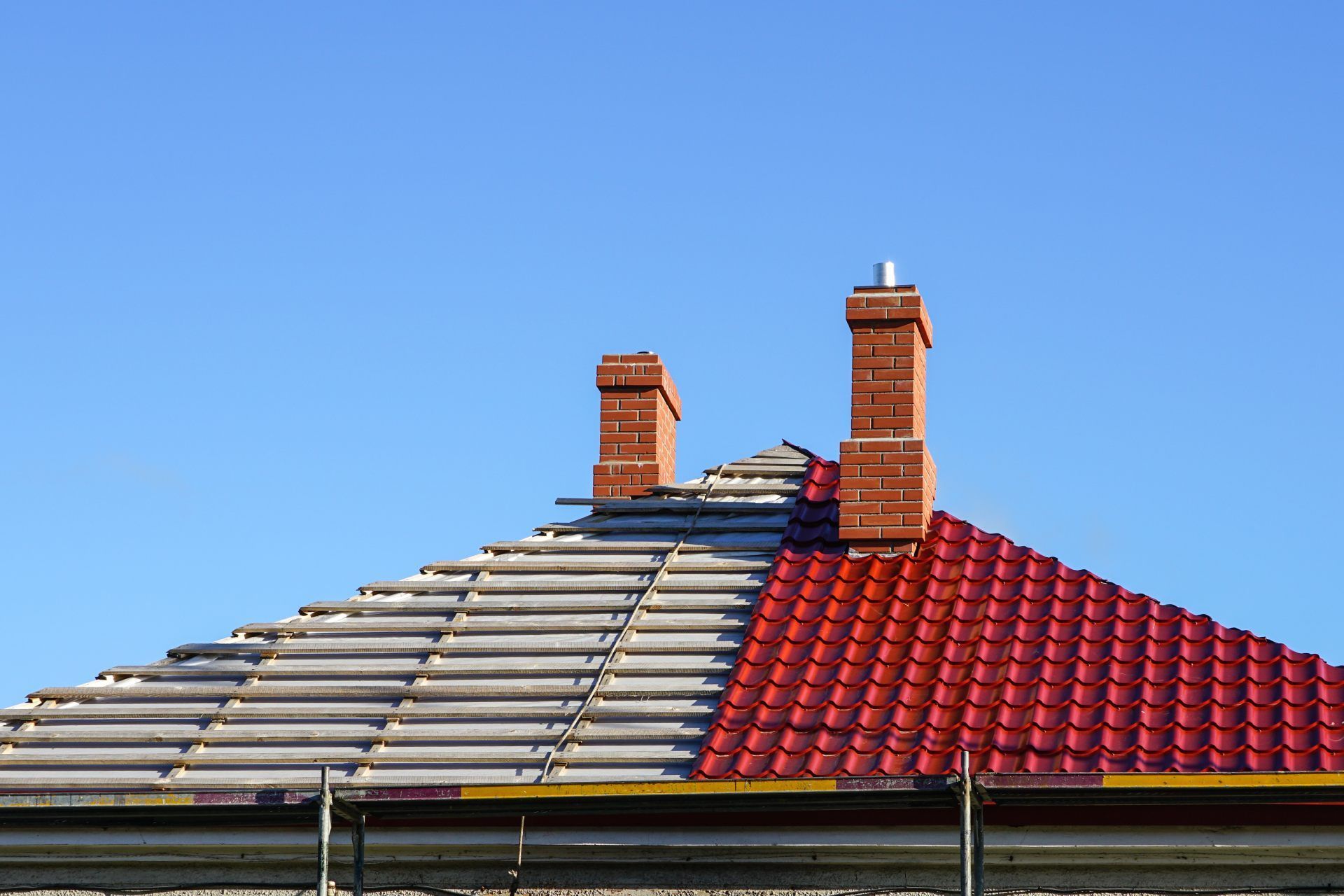
Roof Planning and System Selection
Roof installation in Shelbyville, IN begins with evaluating the structural requirements of the building and determining the appropriate roofing system. This stage focuses on compatibility between roofing materials and the underlying structure.
Structural Assessment and Design Alignment
Roof design considerations are based on building architecture and load-bearing capacity.
Roof slope evaluation
The pitch of the roof determines water runoff behavior and influences material selection.
Structural load considerations
Roof framing must support the weight of selected materials while maintaining long-term stability.
Roofing System Selection
Different roofing systems are selected based on performance needs and environmental exposure.
Asphalt shingle systems
Common in residential installations due to their layered structure and adaptability to various roof shapes.
Metal roofing systems
Used in installations requiring extended durability and resistance to weather-related stress.
Flat roofing systems
Installed on low-slope structures where water drainage is managed through membrane systems.
Material Compatibility Review
Material selection is matched to structural and environmental requirements.
Underlayment selection
Protective layers are chosen to support waterproofing and moisture resistance.
Surface material alignment
Final roofing surfaces are selected to match architectural and functional requirements.
Roof Installation Process in Shelbyville, IN
The roof installation process involves sequential steps that ensure each layer of the roofing system is properly integrated. Each stage contributes to the overall structural performance of the roof.
Structural Preparation Phase
Before installation begins, the roof surface must be prepared to support new materials.
Deck surface preparation
The roof decking is inspected and cleaned to ensure a stable foundation.
Structural reinforcement
Any weakened framing or decking sections are corrected before installation continues.
Underlayment and Base Layer Installation
The initial layers of the roofing system provide moisture protection and structural separation.
Moisture barrier placement
A protective barrier is installed across the roof deck to prevent water intrusion.
Ice and water shielding
Critical areas are reinforced to reduce vulnerability to moisture accumulation.
Primary Roofing Material Installation
The main roofing surface is installed following manufacturer and structural guidelines.
Shingle or panel placement
Materials are installed in overlapping or interlocking patterns depending on system type.
Fastening and sealing methods
Roofing materials are secured using mechanical fasteners or adhesive systems to maintain stability.
Edge and Penetration Finishing
Final installation steps focus on sealing vulnerable areas.
Flashing installation
Metal flashing is installed around chimneys, vents, and roof transitions.
Ridge and valley detailing
Roof intersections are sealed to ensure controlled water flow and structural protection.
Roofing Materials Used in Installation Projects
Roof installation in Shelbyville, IN involves selecting materials that align with durability expectations and structural compatibility. Each material type serves a specific function within the roofing system.
Asphalt Roofing Systems
Asphalt shingles remain a widely used material in residential roof installation.
Layered shingle application
Shingles are installed in overlapping rows to create a continuous protective surface.
Granule-coated surfaces
Protective granules help shield the roofing surface from UV exposure and weathering.
Metal Roofing Systems
Metal roofing is installed for long-term structural performance and environmental resistance.
Standing seam systems
Panels are installed with raised seams that reduce exposure to water penetration points.
Corrugated metal systems
These panels are installed in rigid patterns that enhance structural strength.
Membrane Roofing Systems
Flat roof installations rely on continuous membrane materials.
TPO roofing membranes
Thermoplastic membranes are installed with heat-welded seams for waterproofing.
EPDM rubber systems
Rubber-based sheets are installed as flexible waterproof layers for low-slope structures.
Site Preparation and Environmental Considerations
Roof installation in Shelbyville, IN requires careful attention to site conditions and environmental factors that influence installation quality and system longevity.
Weather and Climate Adaptation
Roofing systems must be installed with seasonal weather patterns in mind.
Temperature sensitivity during installation
Certain materials require specific temperature ranges for proper sealing and adhesion.
Moisture control during construction
Installation timing may be adjusted to avoid rain exposure during critical phases.
Drainage and Water Flow Design
Proper drainage planning is essential in roof installation.
Slope alignment for runoff
Roof surfaces are constructed to direct water toward designated drainage points.
Gutter integration
Roof edges are aligned with gutter systems to manage water discharge.
Structural Accessibility and Safety Setup
Installation requires controlled site conditions for accuracy and structural alignment.
Work surface stabilization
Roof areas are prepared to support installation equipment and materials.
Material staging areas
Roofing materials are organized to maintain installation efficiency and workflow continuity.
Inspection and Post-Installation Evaluation
Once roof installation in Shelbyville, IN is completed, the system undergoes inspection to confirm structural integrity and material performance.
Final Installation Review
Surface alignment inspection
Roofing materials are checked for consistent placement and structural uniformity.
Flashing and sealing verification
Critical sealing points are evaluated for water resistance and proper installation.
System Performance Monitoring
Initial weather response evaluation
The roof is observed during early weather exposure to confirm performance stability.
Material settling observation
Installed materials are monitored for proper settling and adjustment.
Long-Term Maintenance Considerations
Routine inspection scheduling
Roof systems are periodically evaluated to identify early signs of wear.
Surface condition monitoring
Attention is given to debris buildup and environmental impact over time.
Schedule Roofing Services with B & F Roofing
B & F Roofing provides roof installation services in Shelbyville, IN with a structured approach that focuses on system design, material integration, and full assembly of roofing components suited to local environmental conditions.